Sloane Square man and van tips for moving antiques in Chelsea
Posted on 02/07/2026
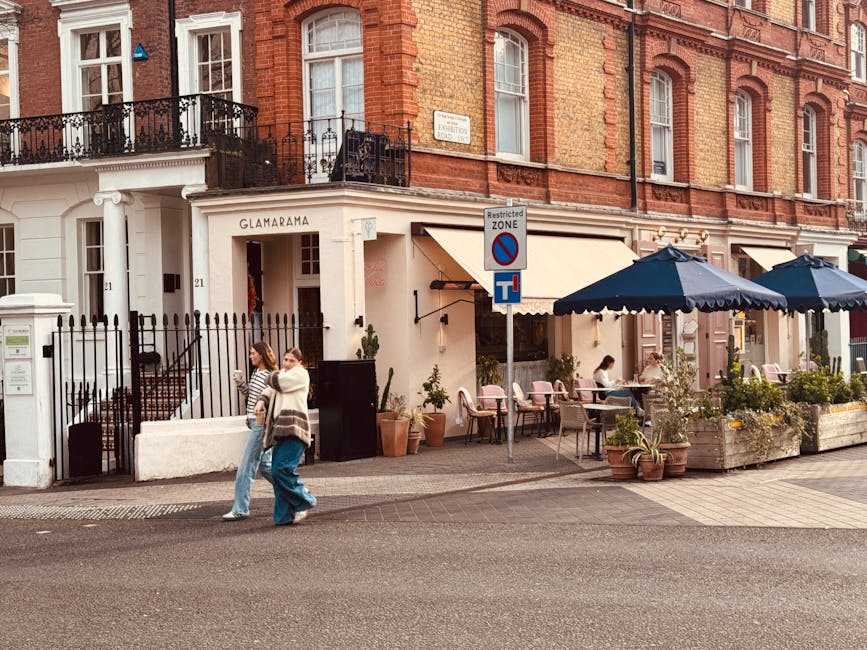
Moving antiques is never just another job, especially around Sloane Square and the wider Chelsea area. One chipped veneer, one rushed lift, one badly packed mirror, and a beautiful piece can go from cherished to damaged in seconds. If you are planning a move and want practical Sloane Square man and van tips for moving antiques in Chelsea, this guide walks you through the small details that make the biggest difference. The good news? With the right preparation, a careful vehicle setup, and a calm approach on moving day, antique removals can be handled far more smoothly than most people expect.
In Chelsea, you are often dealing with narrow streets, tight stairwells, controlled parking, and period properties that were never designed with large furniture in mind. That does not make moving impossible. It just means you need a smarter plan. Below, you will find step-by-step advice, common mistakes to avoid, and a realistic look at how a man and van service can help when the items in question are irreplaceable rather than merely heavy.
Why Sloane Square man and van tips for moving antiques in Chelsea Matters
Antiques are different from ordinary household items. They may be old, but that does not mean they are sturdy. In fact, age can make them more vulnerable. Wood may have dried out, joints may have loosened, and decorative finishes can react badly to knocks, moisture, or pressure. A simple move across Chelsea can therefore become a delicate operation.
The local context matters too. Sloane Square sits in a part of London where access can be awkward and time matters. Parking may be limited, buildings can have narrow entrances, and many homes have stairs, lifts with limited capacity, or shared hallways where careful handling is essential. If you have ever stood in a townhouse hallway trying to turn a sideboard that clearly had different plans, you will know the feeling. It is not ideal.
That is why good moving advice is not just about strength. It is about planning, protective materials, timing, and knowing when to slow down. Chelsea moves often involve a mix of valuable furniture, artwork, mirrors, lamps, and smaller heirlooms that need more care than a standard van run. The right approach reduces risk, saves time, and avoids expensive mistakes that are hard to undo.
It also helps to think beyond the item itself. A scratched floor, a damaged stair rail, or a wall scuff can create problems with landlords, neighbours, or building management. So yes, the antiques matter, but the property does too. That is one reason many local customers also look into insurance and safety guidance before the move, especially when the contents are fragile or high value.
How Sloane Square man and van tips for moving antiques in Chelsea Works
A good antique move starts before the van arrives. The process usually looks something like this:
- Survey the items. List what is moving, note any damage, and identify the most delicate pieces.
- Measure access. Check doorways, stair widths, lift sizes, and any awkward corners or low ceilings.
- Prepare protective wrapping. Use the right materials for each item rather than one-size-fits-all packing.
- Load in a careful order. Heavier, more stable items should help anchor the load, while fragile items stay isolated and cushioned.
- Drive with restraint. Smooth braking and steady cornering matter more than speed.
- Unload patiently. The last ten metres are often where damage happens, so do not rush the final stage.
That sounds straightforward, but the quality of execution is what separates a decent move from a stressful one. A man and van service is especially useful for antiques when the job needs flexibility rather than a full-scale removal operation. For example, a single cabinet, a pair of dining chairs, and a framed painting may be much better suited to a smaller, more attentive vehicle than a large lorry. If your move is part of a broader house clearance or a multi-room relocation, you might also compare options with house removals in Chelsea or furniture removals support, depending on the size and mix of items.
There is also a practical reason to keep the plan simple: antiques often need specialist handling only at specific points. Maybe the piece is heavy but not especially delicate. Maybe it is lightweight but highly brittle. Maybe it has loose drawers, detachable legs, or a glass surface that is more awkward than it first looks. A careful mover will adapt the method to the object, not the other way round.
Key Benefits and Practical Advantages
Using a well-prepared man and van approach for antiques in Chelsea offers several clear advantages.
- More control over handling. Smaller jobs allow for closer attention to each individual item.
- Better for tight access. Chelsea properties often make large vehicle manoeuvring impractical.
- Lower likelihood of overpacking. A smaller load is easier to stabilise and monitor.
- Faster local response. When timing is tight, local moving support can be more flexible.
- Reduced stress. There is a lot to be said for a calm, well-organised move.
For antique owners, the biggest benefit is peace of mind. You are not just trying to get something from A to B. You are preserving value, history, and sometimes family sentiment. A move that is technically successful but physically careless is not really a success at all.
Another advantage is cost control. Not every antique move needs a huge crew or oversized vehicle. A properly planned man with van Chelsea booking can be a sensible middle ground, especially for small collections or single large items. If you want to compare service styles, it can help to read more about man with a van in Chelsea, man with van options, and man and van services so you can judge what suits your move best.
Expert summary: Antique moves are won or lost in the preparation stage. If the item is wrapped well, measured correctly, and loaded with restraint, the journey itself becomes much less risky. That is the real trick.
Who This Is For and When It Makes Sense
This guide is for anyone in or around Sloane Square who needs to move items that are valuable, delicate, or just plain awkward. That includes:
- homeowners relocating a few cherished antiques
- flat dwellers moving inherited furniture or decorative pieces
- landlords or sellers staging items before a property sale
- collectors transporting occasional purchases
- interiors professionals moving props or statement furniture
- families helping older relatives downsize
It also makes sense if you are moving within Chelsea rather than across the country. Short-distance moves can lull people into a false sense of security. "It is only a few streets away" sounds reassuring, until you realise the piece must be carried down a narrow staircase, around a tight corner, and into a van parked three doors away. The distance is not the main challenge. Access is.
There are times when a man and van arrangement is ideal and times when you may need something broader. If the job includes multiple rooms, boxed household goods, and larger furniture at the same time, you may want to look at removals in Chelsea, removal services, or even a more tailored flat removals Chelsea setup. On the other hand, if the move is narrow and item-specific, a small team can be the better fit. Simple as that.
Step-by-Step Guidance
1. Identify what makes each antique vulnerable
Start with the object, not the van. Is it glass-fronted? Does it have loose joints? Is it painted, polished, or veneered? Does it contain marble, mirror, or brass fittings? This matters because each surface reacts differently to pressure and vibration. A carved wooden chair needs different support from a gilded mirror frame.
2. Photograph every piece before packing
Take clear photos from several angles. It is a small step, but a useful one. You will know the pre-move condition, and so will the mover. If anything is already marked or slightly loose, that can be noted before loading begins. It saves arguments later, and honestly, it is just sensible.
3. Choose the right wrapping materials
Use materials that suit the item. Soft paper or tissue can protect surfaces, while thicker wraps help with shock absorption. Corners need extra attention. Glass and mirror surfaces need cushioning without pressure. Avoid tape on finished wood or delicate surfaces, because removal can be messy, and messy is the last thing you want here.
4. Disassemble only when it helps
Some antiques travel better partly dismantled, but only if the piece is designed for it and you can keep track of every fitting. Bag screws, label them clearly, and store them with the right item. If you are unsure, leave the piece intact and let a careful mover handle it as one unit.
5. Measure access before move day
Measure door widths, stair landings, ceiling height, and the van loading area. This is especially important in older Chelsea properties and mansion blocks where access can be less forgiving than it looks. If there is a service lift, check its dimensions early. The wrong assumptions here can turn a tidy plan into a slow wobble of re-measuring and sighing.
6. Plan the loading order
Heavy items should be secured first, with fragile items isolated and protected against movement. Never let an antique sit loose beside another item with sharp edges. The load should feel calm, stable, and balanced. If you hear shifting on the road, something is not right.
7. Allow extra time for loading and unloading
Rushing is where damage creeps in. Give yourself more time than you think you need. Chelsea streets can also add delay because of traffic, parking, or access issues. If your schedule is tight, ask about same-day removals in Chelsea, but only if the move is still being handled carefully. Speed without care is not a bargain.
Expert Tips for Better Results
Here are the small things that tend to separate a smooth antique move from a frazzled one.
- Use blankets between touching surfaces. Even wrapped items can rub if they sit directly against each other.
- Protect feet and bases. Furniture legs take more abuse than people realise.
- Keep hardware in one labelled pouch. A missing bolt can create a second problem after the move.
- Do not stack by habit. Flat stacking is fine for some items, disastrous for others.
- Leave a clear path at both ends. No shoes, bags, or decorative clutter in the route.
- Communicate the fragile points. If a drawer sticks or a leg is loose, say so before lifting begins.
One practical tip that sounds almost too simple: tell the mover which side of a cabinet is the "good side". When pieces are old, the least worn face may be the most fragile visually. A helper who knows where not to touch will make fewer mistakes. Obvious? Maybe. But in the middle of a busy move, obvious things get missed.
It can also help to keep one small "first out, last in" box with essentials such as tape, markers, gloves, and spare wrapping. You will use it more than you think. And yes, there is always one screw that disappears just when you need it. Always.
If you are packing as well as moving, the right packing support matters too. See packing and boxes in Chelsea for a more structured approach, especially if the antique move is part of a wider home transition. For recyclable packing habits and low-waste choices, recycling and sustainability guidance may be useful as well.

Common Mistakes to Avoid
People usually do not damage antiques because they are careless in a dramatic sense. It is more often a cluster of little mistakes.
- Using the wrong materials. A hard plastic wrap or a too-tight tape job can leave marks.
- Underestimating weight. Antique wood furniture can be surprisingly heavy, especially with marble tops or hidden fixings.
- Ignoring door clearances. "It will fit" is not a measurement.
- Forgetting to protect floors and walls. One scrape down a painted hallway can cause needless hassle.
- Loading too many items at once. Crowding invites pressure and impact.
- Not checking insurance and safety arrangements. If the items are high value, do not skip this step.
The most common emotional mistake is probably impatience. People want the awkward bit over with. Fair enough. But antiques punish impatience. The move that takes five extra minutes to do properly is almost always cheaper than the move that goes wrong in thirty seconds.
When the item is particularly precious, it may be worth checking whether a specialised service is more suitable. For example, if you are moving a piano alongside antiques, you might look at piano removals in Chelsea because the handling standards overlap in useful ways: careful padding, balanced loading, and disciplined movement.
Tools, Resources and Recommendations
You do not need a warehouse full of equipment, but the right few tools make a big difference.
| Item | Why it helps | Best use |
|---|---|---|
| Furniture blankets | Reduce scuffs and vibration damage | Large wooden pieces, cabinets, tables |
| Buckled straps | Stop load movement in the van | Securing items once loaded |
| Corner protectors | Protect edges and fragile frames | Mirrors, artwork, ornate furniture |
| Labelled bags | Keep fittings and screws organised | Disassembled antiques and modular pieces |
| Floor runners | Protect floors during carrying | Hallways, stairs, entrance paths |
There is also a planning side to this. A few useful website pages can help you make a better decision before booking. If you are comparing costs, pricing and quotes is the obvious place to start. If you want more background on what is offered, the services overview is a practical companion. And if you are still deciding between a small move, a larger house relocation, or something in between, the main removal companies Chelsea page can help with context.
For planning around a busy Chelsea property, it can also be worth reading the local moving advice in Chelsea removals for Kings Road flats and narrow access. While that piece is not about antiques alone, the access problems it describes are very similar to what you often see near Sloane Square. Narrow stairs, awkward turns, and tight loading space do not care what type of item you are moving.
Law, Compliance, Standards, or Best Practice
When moving antiques in the UK, the safest mindset is to treat the job as a handling and transport risk, not just a lifting task. You do not need to become a legal expert, but you should expect the mover to work in a way that is responsible, insured where appropriate, and clear about their process.
For customers, the main best-practice points are straightforward:
- Check insurance and safety arrangements. Ask how fragile or high-value items are handled.
- Use accurate item descriptions. Do not understate size, weight, or condition.
- Confirm access details honestly. If there are stairs or no lift, say so early.
- Keep to clear terms. Read the booking and payment arrangements carefully.
- Ask about complaints procedure. A sensible business should have one.
If you are storing antiques temporarily, the same careful standards apply. A safe dry space, sensible wrapping, and clear item labelling all matter. You can also explore storage in Chelsea if your move is being split across more than one day.
For general confidence, customers sometimes review payment and security, terms and conditions, and complaints procedure before booking. That is just sensible due diligence, not being difficult. Truth be told, it is better to ask a few extra questions than to assume.
Options, Methods, or Comparison Table
If you are deciding how to move antiques in Chelsea, the best option depends on the number of items, their value, and how tight the access is.
| Option | Best for | Pros | Limitations |
|---|---|---|---|
| Man and van | Small antique moves, single items, short local jobs | Flexible, personal, easier in narrow streets | Not ideal for very large loads or multi-room homes |
| Furniture removals | Bulky antique furniture and mixed pieces | More structured handling, suitable for larger items | May be more than you need for one or two pieces |
| Full removals | Whole-property moves with antiques included | Good for bigger relocations and packed homes | Less nimble for small, specialist jobs |
| Specialist piano-style handling approach | Extra-sensitive, awkward, or high-value items | Very careful handling methods | May cost more and require more planning |
There is no one perfect answer. A small antique sideboard, two armchairs, and a mirror may suit a man and van setup perfectly. A drawing-room full of mixed heirlooms may need more support. It really depends on the item count and the building access. Not glamorous, but true.
If you are still comparing possibilities, reviewing furniture removals Chelsea alongside removals in Chelsea can help you judge which service level actually fits the job rather than just the label.
Case Study or Real-World Example
Here is a realistic example from the sort of move that happens often in Chelsea.
A client in a period flat near Sloane Square needed to move three pieces: a walnut sideboard, a framed oil painting, and a small console table with curved legs. None of the pieces were enormous, but the access was awkward. There was a narrow entrance hall, a shared staircase, and limited space to stage items outside the building. The client was understandably nervous; the sideboard had been in the family for years.
Preparation changed everything. The pieces were measured in advance. The painting was wrapped separately with protective padding around the corners. The sideboard had its detachable fittings removed and labelled. The mover arrived with the right blankets, straps, and floor protection, and the loading order was planned before a single item was lifted. The job took a bit longer than a standard sofa run would have done, but it stayed calm from start to finish.
The key lesson was simple: nothing about the move required heroics. It required care, patience, and the confidence to handle one item at a time. The client later said the difference was in the pace. There was no chaotic lifting, no shouting through stairwells, no "we'll just make it fit" energy. Just steady work. That is what you want with antiques.
If your move is tied to a home sale or a property change, there is a useful local context in selling homes in Chelsea and Chelsea real estate investment guide, especially if presentation, timing, or staged furniture is part of the picture. For a broader sense of the neighbourhood's character, a walk through time in Chelsea is also a nice read. Slightly more reflective, yes, but useful when you are trying to understand the area you are moving through.

Practical Checklist
Use this before moving day. It will save you from the little panics that always arrive at the worst moment.
- List every antique item and note its condition.
- Photograph each item from multiple angles.
- Measure doors, stairs, lifts, and hallways.
- Confirm where the van can park or stop safely.
- Choose wrapping materials suited to each piece.
- Remove loose fittings and label them clearly.
- Protect floors, corners, and wall edges.
- Tell the mover about fragile points and existing damage.
- Check insurance and safety details before booking.
- Leave extra time for loading and unloading.
- Plan where each item will go at the destination.
- Keep a small toolkit and tape handy.
One-line truth: preparation beats panic.
Another useful habit is to keep the destination room ready before the van arrives. Clear a path, open internal doors, and decide where each item will sit. It saves a surprising amount of back-and-forth. And after a long day, that matters more than people admit.
Conclusion
Moving antiques in Chelsea is all about control. Not control in the rigid, stressful sense, but the calm kind that comes from good planning, careful wrapping, measured lifting, and a van setup that suits the job. Sloane Square man and van tips for moving antiques in Chelsea are really just reminders to respect the item, respect the building, and respect the process.
If you get those three things right, the move stops feeling like a gamble. It becomes a managed task. One that can be done safely, neatly, and without drama. And frankly, that is the best outcome when the items mean something.
If you are planning a move soon, take a few minutes to compare your options, check the practical details, and choose a service that treats antiques like the valuables they are. That small bit of care can save a great deal later on.
Get a free quote today and see how much you can save.


