Chelsea removals for Kings Road flats and narrow access
Posted on 20/06/2026
Chelsea removals for Kings Road flats and narrow access: a practical guide for awkward stairwells, tight streets and busy London moves
If you are planning Chelsea removals for Kings Road flats and narrow access, you already know this is not a standard move. Kings Road has that classic Chelsea mix: elegant apartment blocks, period conversions, basement flats, awkward staircases, and access that can turn a simple move into a game of careful logistics. One wrong assumption about parking, lift access, or the width of a hallway, and the whole day gets harder than it needs to be.
This guide breaks the process down in plain English. We will look at what makes these moves different, how professionals usually approach them, which mistakes cost time and money, and what you can do before moving day to make everything smoother. If you are comparing services, it may also help to browse the broader services overview and the dedicated flat removals Chelsea page for a wider view of what is typically available.
Truth be told, moving in this part of London is often less about brute force and more about good judgment. Measure twice, move once. That old saying still holds up, especially when a wardrobe has to negotiate a 90-degree turn on the second landing.

Why Chelsea removals for Kings Road flats and narrow access Matters
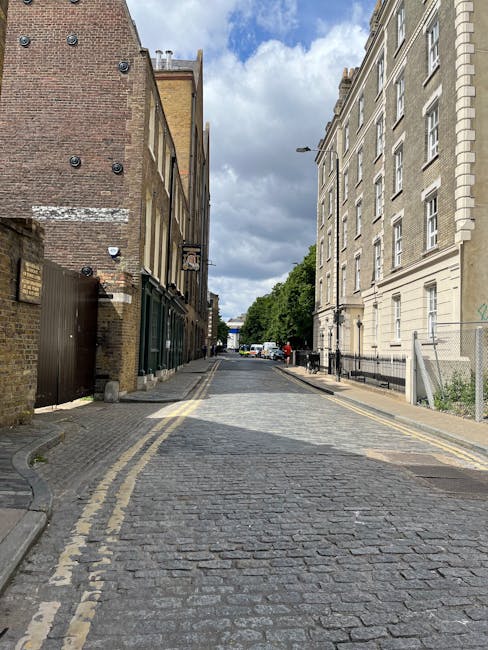
Kings Road is lively, well connected, and full of homes that were not designed around modern removal vans. That matters because the difference between an easy move and a stressful one often comes down to access: where the vehicle can stop, how far items must be carried, whether stairs are narrow, and whether furniture can turn in tight spaces without damage.
In Chelsea, access issues are rarely just a minor inconvenience. They can affect timing, labour needs, vehicle choice, and the amount of packing protection required. A flat that looks straightforward online can hide a narrow communal hallway, a steep stairwell, or a courtyard that only accepts smaller vehicles. The move may still be perfectly manageable, but it needs planning, not guesswork.
That is especially true if you are moving during a busy period, such as a weekday morning when Kings Road traffic is already building. Anyone who has watched a van edge past parked cars while a neighbour tries to squeeze through with a pram knows the rhythm of the street can change fast. Planning for those realities is part of the service, not an afterthought.
For people comparing local help, it is often useful to think in terms of the broader moving picture: a standard house move is one thing, but a Chelsea flat move with tight access may need a different setup altogether. If you are still exploring the type of support you need, the removals Chelsea page and the more specific man and van Chelsea option can help frame the decision.
How Chelsea removals for Kings Road flats and narrow access Works
Most successful moves in this part of Chelsea start with a clear access assessment. That does not have to be complicated. It usually means confirming the exact address, floor level, lift availability, parking restrictions, loading distance, and anything unusual about the route from flat to van. In practical terms, the more you can tell the removals team early, the better they can match vehicle size, crew numbers, and timing.
The work often begins before moving day with packing advice or an inventory discussion. Then the team plans the route into the building and the route out again. If the access is very tight, smaller vans may be better than one large vehicle, even if it means more careful loading. In some cases, an additional pair of hands can make all the difference, especially for bulky sofas, wardrobes, or beds with awkward frames.
On the day, a good team will usually check the access before unloading anything major. If the van cannot legally or safely stop directly outside, they may create a carry plan from the nearest practical point. That might sound mundane, but in a narrow Chelsea street, a few minutes spent on this step can save a lot of faffing about later. And yes, there is usually a bit of faffing in London moves. It would be strange if there were not.
For many households, the right service blend is a combination of careful packing, a suitably sized removal vehicle, and experienced handling for fragile or heavy items. If that sounds familiar, it is worth looking at the support offered through packing and boxes Chelsea, removal van Chelsea, and furniture removals Chelsea.
Key Benefits and Practical Advantages
The main benefit of a specialist approach is simple: fewer surprises. Narrow access is manageable when it is planned for, but stressful when it is discovered halfway through the job. A well-organised move reduces the chance of damage, delays, and last-minute parking problems.
- Less risk of damage: careful route planning helps protect walls, banisters, door frames, and furniture corners.
- Better time control: a realistic moving plan keeps the day from drifting into chaos.
- More suitable vehicle choice: a smaller van or a more flexible loading plan may work better than a large rigid setup.
- Safer lifting: narrow stairs and tight turns need controlled handling, not rushed carrying.
- Less disruption to neighbours: a tidy, efficient move is simply kinder in a shared building.
There is also a quieter benefit that people overlook: peace of mind. When your flat has a tricky entrance or a basement layout, just knowing the moving plan has been thought through can take a real load off your shoulders. And that matters on a day when your kettle is packed, your phone battery is low, and you are trying to remember which box has the charger.
If you need something more immediate or flexible, you may also want to consider same day removals Chelsea for urgent situations, though a planned booking is usually easier for narrow-access jobs.
Who This Is For and When It Makes Sense
This kind of service is a strong fit if you live in a Chelsea flat with one or more of the following:
- restricted street access or limited loading space
- narrow staircases or tight bends
- small lifts that do not take large furniture
- upper-floor flats with long carry distances
- basement or mezzanine layouts
- high-value furnishings that need extra care
It also makes sense for people who are moving in or out of rental flats, especially when there are time limits, shared entrances, or building rules to work around. Landlords and managing agents in Chelsea often expect moves to be tidy and well timed, and fair enough too - nobody wants the hallway blocked by a mattress while the lift is out of service.
If your move includes a piano, especially a small upright in a tight flat, look carefully at specialist support such as piano removals Chelsea. Pianos are not just heavy; they are awkward, delicate in the wrong places, and surprisingly good at exposing bad planning.
Students and short-term renters may also find the approach useful. The jobs are smaller, but the access problems can be exactly the same. In those cases, student removals Chelsea can be the more practical match.
Step-by-Step Guidance
- Assess the access properly. Walk the route from the flat to the street. Check stair width, corners, lift dimensions, door frames, and any obstacles.
- Confirm parking and stopping options. Do not assume a van can simply wait outside. In many parts of Chelsea, that assumption is expensive.
- Make a room-by-room inventory. This helps the team judge what needs dismantling, wrapping, or carrying first.
- Pack for awkward movement, not just storage. Strong boxes, clear labels, and protective wrapping matter more when items need to be carried through tight spaces.
- Flag difficult items early. Large mirrors, glass tops, beds, wardrobes, and artwork should be mentioned before the day arrives.
- Choose a loading plan. Sometimes the best option is to move the bulkiest pieces first; sometimes it is to clear smaller items to create space. It depends on the layout.
- Do a final walk-through. Check cupboards, balconies, and high shelves. The last forgotten lamp often turns into the first small panic.
A simple rule helps here: if you would hesitate moving an item around your own home, treat it as a special-case item during the move. That single mindset shift can reduce a lot of damage.
For people preparing in advance, it can be useful to combine this with packing and boxes Chelsea guidance and, where needed, temporary storage Chelsea if the move-out and move-in dates do not line up neatly.
Expert Tips for Better Results
After enough moves, a few patterns become obvious. The good news is that most of them are easy to act on.
- Measure the awkward item, not just the room. A sofa might fit the room but fail at the stairwell turn.
- Protect corners and banisters first. It is cheaper to wrap than repair.
- Keep pathways clear before the crew arrives. Shoes, plant pots, laundry baskets, and random bags can slow things more than people expect.
- Use colour-coded labels for rooms. It sounds almost too simple, but in a tight flat it saves real time.
- Separate essentials. Kettle, toiletries, chargers, documents, and a spare set of clothes should travel with you or in one clearly marked box.
If your property includes a lot of built-in furniture or a particularly fiddly layout, it may also be worth asking whether furniture removals Chelsea is the best fit for the heavier pieces. The aim is to reduce the number of awkward decisions on the day itself.
One more thing: keep one person available to answer access questions on the day. A quick call about which entrance to use, or whether the lift is free, can save a surprisingly long delay. Small detail, big impact.
Common Mistakes to Avoid
Most moving problems in narrow-access flats are not dramatic disasters. They are usually a series of small avoidable errors. The kind that feel minor at 8 a.m. and irritating by lunchtime.
- Underestimating the access. "It should be fine" is not a plan.
- Booking the wrong vehicle size. Too large can be just as awkward as too small.
- Forgetting about parking restrictions. Even a short stop can matter in busy Chelsea streets.
- Not disclosing heavy or fragile items. The crew can only prepare for what they know about.
- Packing boxes too full. Heavy boxes become harder to carry on stairs and more likely to split.
- Leaving sorting until moving day. That is how clutter multiplies.
Another common one: assuming a lift means the job is easy. Not always. Some lifts are too small for furniture, some are shared with residents, and some need careful timing. Better to ask than to discover the limitation while standing in the lobby with a wardrobe and a slightly strained smile.
If you are comparing providers rather than just planning the mechanics, a little due diligence helps. The removal companies Chelsea page can support that research, and if you are checking service scope more broadly, removal services Chelsea is useful too.
Tools, Resources and Recommendations
You do not need a warehouse of specialist equipment to make a narrow-access move work, but a few practical tools make the day much smoother.
- Measuring tape: essential for doors, lifts, stair turns and furniture dimensions.
- Furniture blankets and wrapping: useful for protecting wood, glass, and painted surfaces.
- Strong tape and markers: for sealing and clearly identifying boxes.
- Step stool or small platform: helpful for safer packing and access to high shelves before the move.
- Floor protection: sensible in period properties or freshly painted flats.
- Basic toolkit: for dismantling beds, shelves, or flat-pack furniture.
It can also help to organise the paperwork side early. If you are comparing costs, the pricing and quotes page is a sensible place to start. For people who want a fuller picture of the company before booking, about us and services overview are straightforward background reads.
If security of payment matters to you, and it should, it is worth reviewing payment and security before confirming anything. A calm booking process is a good sign. So is a clear explanation of what is included, what is not, and what happens if access turns out to be harder than expected.
Law, Compliance, Standards and Best Practice
Moving home in London does not usually involve highly technical regulation for the customer, but there are still sensible standards and duties that matter in practice. If a removal team works in a shared building, they should act carefully around common areas, avoid causing obstruction, and respect any instructions from building management. In many properties, this is less about formal law and more about common sense, professionalism, and courtesy.
Vehicle access and parking rules also need respect. If a van cannot stop safely or legally outside a property, it should not be forced into a bad position just to save a few steps. Likewise, lifting and carrying should be done with care, especially on stairs or in narrow communal spaces where slips can happen quickly.
Good movers also follow safer handling practices for items that are heavy, awkward, or prone to damage. That might include using the right number of staff, securing items properly inside the van, and separating fragile goods from heavier loads. If you want reassurance on this point, the company's health and safety policy and insurance and safety information are useful references.
Accessibility is another angle worth thinking about. Narrow access should not be treated as a nuisance to rush through; it is part of the real layout of the property. A thoughtful approach makes the move more manageable for everyone, including neighbours who just want to get their bins out without navigating a small obstacle course.
If sustainability matters to you, especially during a clear-out, you may also want to look at recycling and sustainability. Responsible disposal and reduced waste can make the whole process feel a bit more balanced.
Options, Methods and Comparison Table
Different move setups suit different flats. There is no universal answer, which is annoying but true. The best choice depends on access, volume, budget, and how much help you want on the day.
| Method | Best for | Strengths | Trade-offs |
|---|---|---|---|
| Man and van | Small to medium flat moves, fewer items, tighter access | Flexible, usually easier in narrow streets, good for local jobs | Less suited to large multi-room moves without multiple trips |
| Dedicated removal van | Heavier or fuller loads, more furniture, more crew support | More capacity, better for bulky items and structured loading | Can be harder to position in cramped streets or tight bays |
| Flat-focused removal service | Apartment moves with stairs, lifts, shared entrances | More tailored to common Chelsea layouts and access constraints | May cost more than a minimal basic transport-only option |
| Short-term storage plus move | Dates do not line up, refurb delays, split-day moves | Reduces pressure if access is complicated or timing is uncertain | Extra handling and storage coordination required |
As a practical rule, if the flat is compact but access is tricky, a flexible setup usually wins over a bigger vehicle. If the furniture list is heavy and the route is awkward, a more supported removal service is often the safer choice. You do not want to be economical in the wrong place.
For a broader comparison of moving help in the area, the pages on man with a van Chelsea and man with van Chelsea can help readers think through wording and scope, while house removals Chelsea is useful if the flat move is part of a bigger relocation.
Case Study or Real-World Example
Imagine a two-bedroom flat just off Kings Road. The building has one small lift, a narrow communal corridor, and a front entrance that opens onto a busy stretch of road. The homeowner has a sofa, a dining table, two beds, several boxed kitchen items, and a mirror that absolutely must survive the move intact.
The first instinct might be to book the largest van possible. But that does not always help. In this scenario, a smaller or more agile vehicle may be easier to position, especially if street stopping space is limited. The team might split the job into a sequence: fragile items first, then dismantled furniture, then boxes, with one person managing the route through the building and another loading the van efficiently.
What usually makes the difference is not heroics. It is preparation. Clear the hallway the night before. Label the mirror clearly. Measure the sofa. Check which entrance is best to use. Keep the lift free if the building allows it. None of this is glamorous, but it saves time and stress. By late afternoon, the room is empty, the corridor is clear, and the flat has that strange echoing feel it gets when almost everything has gone. A bit melancholy, actually, but also a relief.
That kind of move is exactly why local knowledge matters. A general mover may be fine for a suburban driveway; a Chelsea flat with narrow access needs a more considered approach. If you want to learn more about the area context itself, this walk through Chelsea's history and the piece on Chelsea living from residents' perspective provide helpful local background.
Practical Checklist
Use this before moving day. It is short on purpose.
- Measure the largest furniture pieces and the narrowest access points.
- Confirm lift size, stair width, and any shared access rules.
- Check parking or stopping arrangements for the van.
- Tell the removals team about awkward items in advance.
- Pack fragile items separately and label them clearly.
- Keep essentials in one clearly marked bag or box.
- Dismantle beds, shelves, or bulky furniture where possible.
- Protect corners, floors, and banisters if the route is tight.
- Arrange storage if move-in dates do not match.
- Keep your phone charged and available on the day.
Quick expert summary: the smoother Chelsea flat move is usually the one that looks almost boring on paper. Clear measurements, sensible packing, the right vehicle, and honest access details. That is the formula. Nothing fancy, just the sort of careful preparation that keeps a narrow staircase from becoming the centre of your day.
Conclusion
Chelsea removals for Kings Road flats and narrow access are all about matching the move to the building, not the other way around. Once you accept that the stairs, hallways, parking, and street layout are part of the job, the whole process becomes easier to plan and much less stressful to live through.
The best outcomes come from clear communication, realistic timing, thoughtful packing, and the right type of moving support for your property. Whether you are shifting a one-bedroom flat, a family apartment, or a home with a few awkward heirlooms that have survived three redecorations and one bad DIY phase, a well-prepared move gives you a calmer start in your new place.
If you are comparing options, take a moment to review the available services, the practical support around packing and transport, and the reassurance offered by the company's safety and payment information. Small decisions now can save a lot of hassle later. And, frankly, who needs extra hassle on moving day?
Get a free quote today and see how much you can save.
When the boxes are stacked and the last lamp is wrapped, the move stops feeling like a problem and starts feeling like progress.